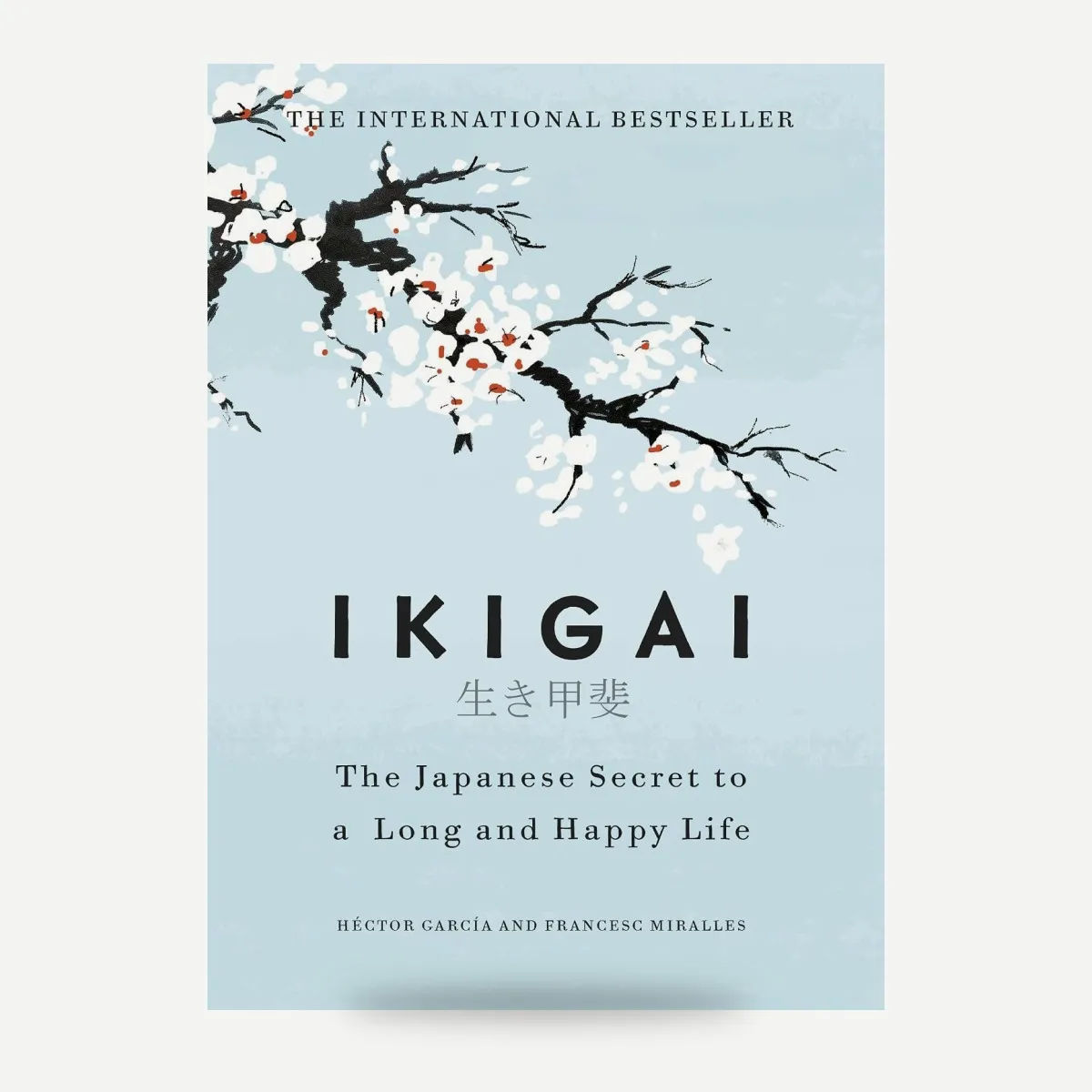
Our Short starts with Ankur Warikoo holding this book. In his monthly book review he calls ikigai “a famous Japanese concept that, according to me, should be applied in every person’s life”, and then tells his own story: he was a topper in the US, on a 100% scholarship and a fast-track PhD in physics, but every day he felt the work would never make him happy, so he dropped out and came back to India.
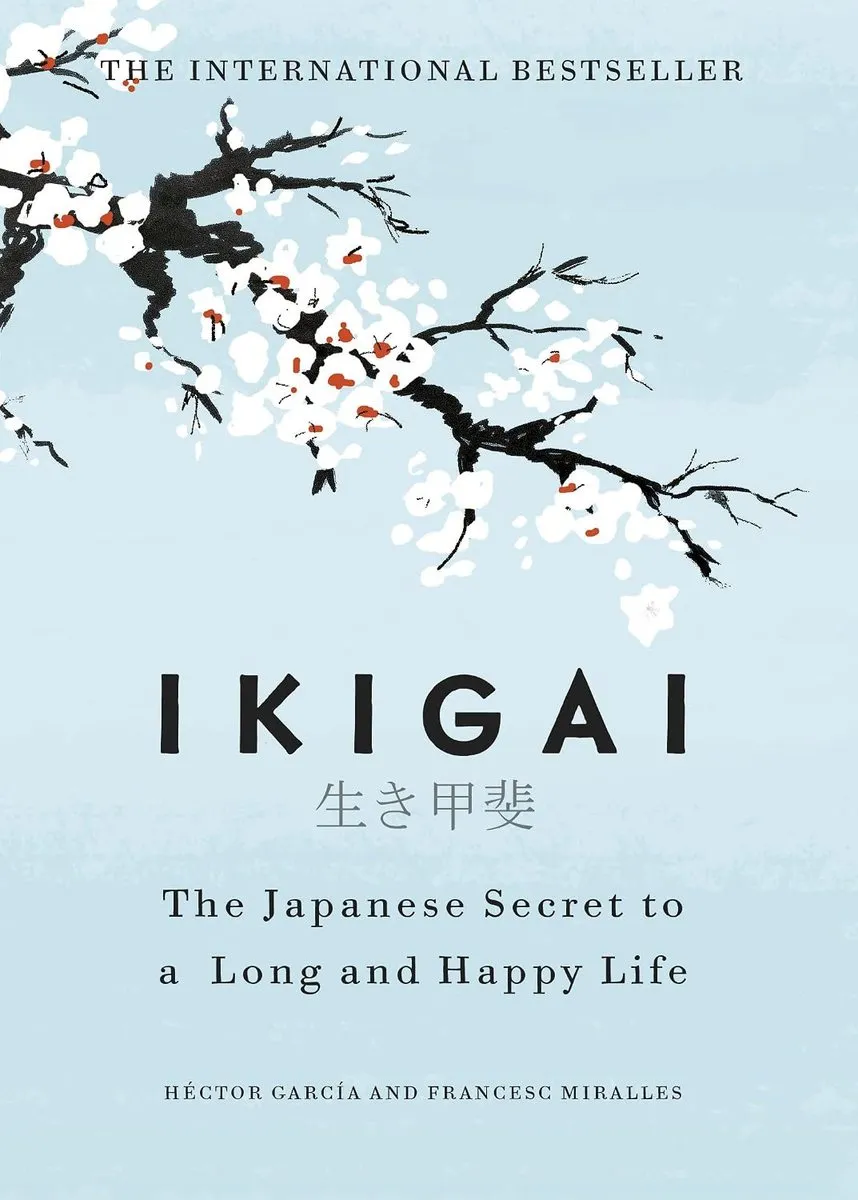
What it is
A short book about the Japanese idea of ikigai, your reason for being, by Héctor García and Francesc Miralles. Key details:
- The big idea: everyone has an ikigai, a reason to jump out of bed each morning
- The 4 circles: your ikigai sits where what you love, what you’re good at, what the world needs and what you can be paid for overlap
- Where it comes from: the authors’ interviews with the elders of Ogimi, a village in Okinawa, Japan, an island known for unusually long, healthy lives
- The style: short chapters, simple language, lots of everyday habits you can try
Why it made the list
- It explains why success can still feel empty. The 4 circles show it clearly: you can be good at something and paid well for it, and still feel hollow if you don’t love it or the world doesn’t need it. That’s exactly what Ankur felt in his PhD and later in his first consulting job after his MBA.
- It’s built on real people, not theory. The book’s lessons come from Okinawa’s centenarians. The ones Ankur highlights: don’t worry and keep your heart young, build good habits, nurture your friendships every day, live an unhurried life, and stay optimistic.
- It pushes back on the rat race. As Ankur puts it in the Short, society tells us to finish studies fast, get a job fast, get married fast and have kids fast, and that rush sucks the joy out of life. The book is a calm argument for slowing down.
- You can finish it. It’s short enough to read in a weekend, which makes it a good first self-help book for people who don’t read much.
A closer look
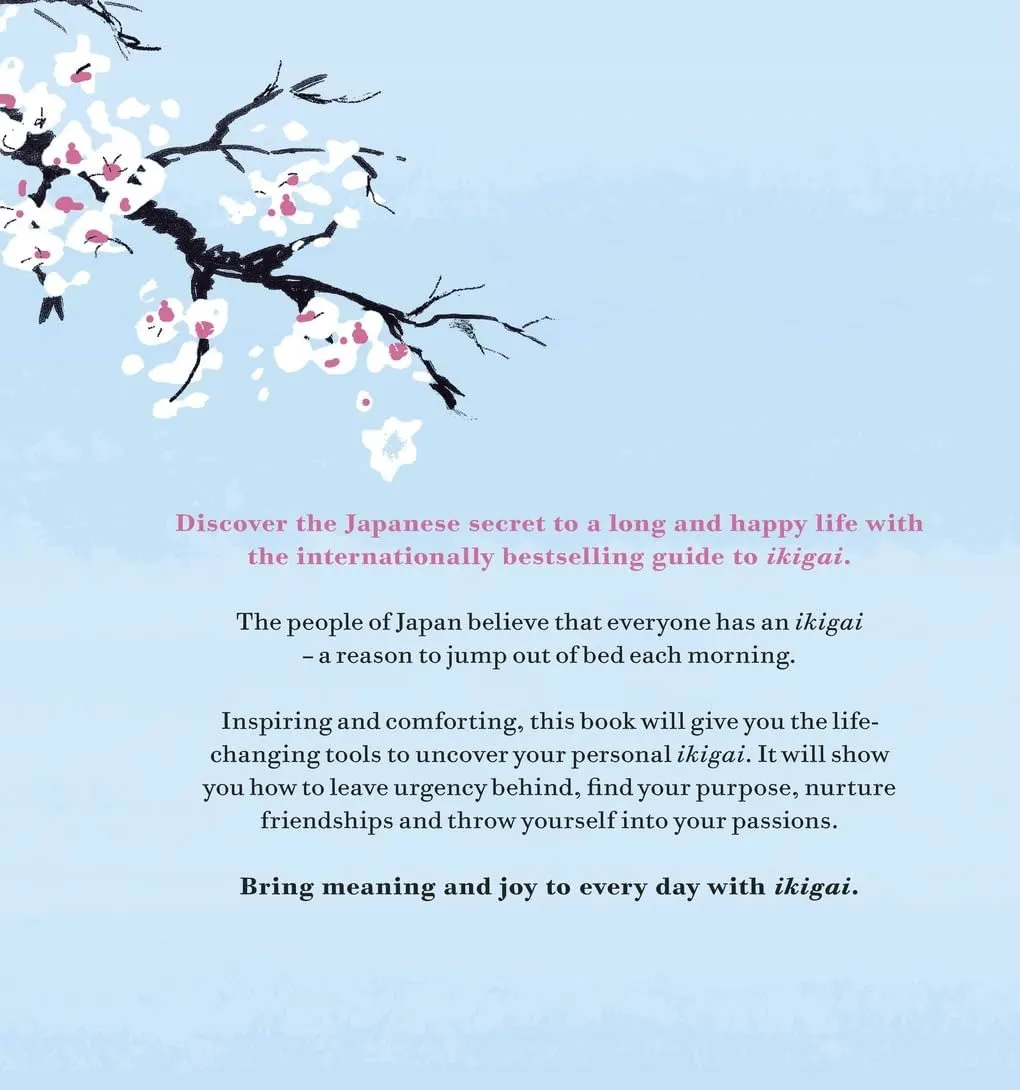
The back cover: “The people of Japan believe that everyone has an ikigai – a reason to jump out of bed each morning.”
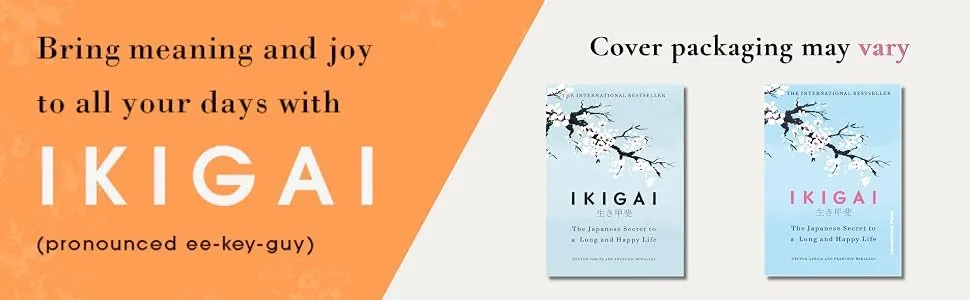
Ikigai is pronounced “ee-key-guy”.
The honest part
This book won’t tell you what to do with your life. It gives you a simple way to ask the question, plus gentle habits from Okinawa, but the answer is still yours to work out. Some chapters read like a list of tips and stay light on depth. If you want a calm, short book that helps you step back from the rush and think about what you’re living for, it’s worth the weekend.