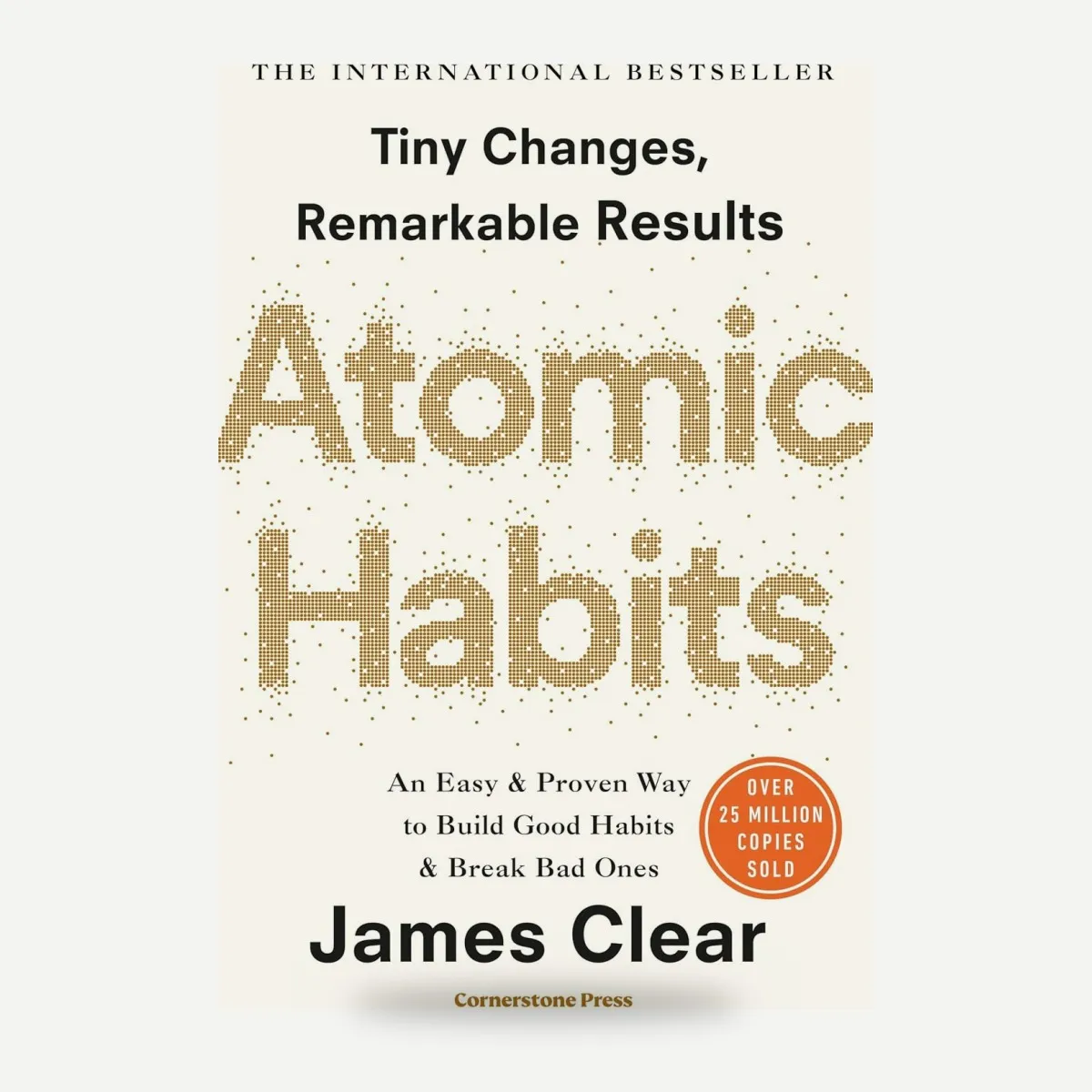
Tanmay Bhatt has tried to lose weight all his life. In the pandemic he put 30 kilos back on and says he was depressed that year. When it finally worked, he said one book played a huge role in how he thinks: Atomic Habits by James Clear.
What it is
A practical guide to building good habits and breaking bad ones, built on one idea: tiny changes, repeated every day, compound into remarkable results.
- The 1% rule: get 1% better every day and you’re about 37 times better in a year. Get 1% worse and you’re close to zero.
- Systems over goals: winners and losers often have the same goals. The difference is the daily system.
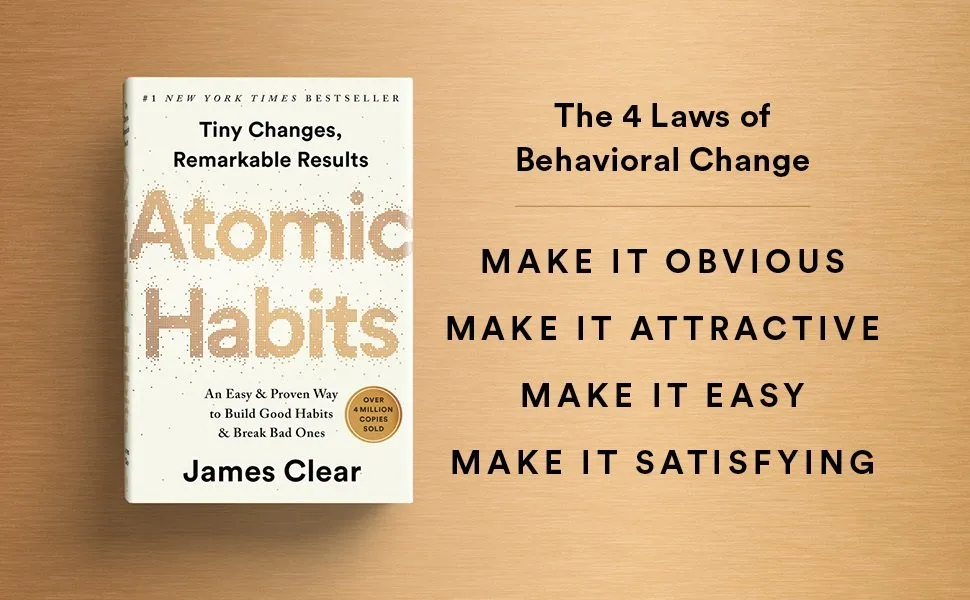
- The 4 rules: make it obvious, make it attractive, make it easy and make it satisfying.
- Habit stacking: attach a new habit to one you already do.
- Reduce friction: make good habits easy to start, and add friction to bad ones.
Why it made the list
- It works for anything: fitness, studies, work, money or screen time. Tanmay used it for weight loss.
- It’s easy to read: short chapters and everyday examples, even if you rarely finish books.
- You can start today: every chapter ends in something you can try straight away.
How Tanmay used it
- Only habits you enjoy stick. He hated the gym, so he started playing badminton every evening, six days a week.
- Habit stacking. He put weight training right before badminton, and calling his mom on the drive home after.
- Reduce friction. “Keep your shoes under the bed,” so running is the first thing you see in the morning. To quit a bad habit, do the opposite: stop buying cigarettes and avoid people who smoke.
A closer look
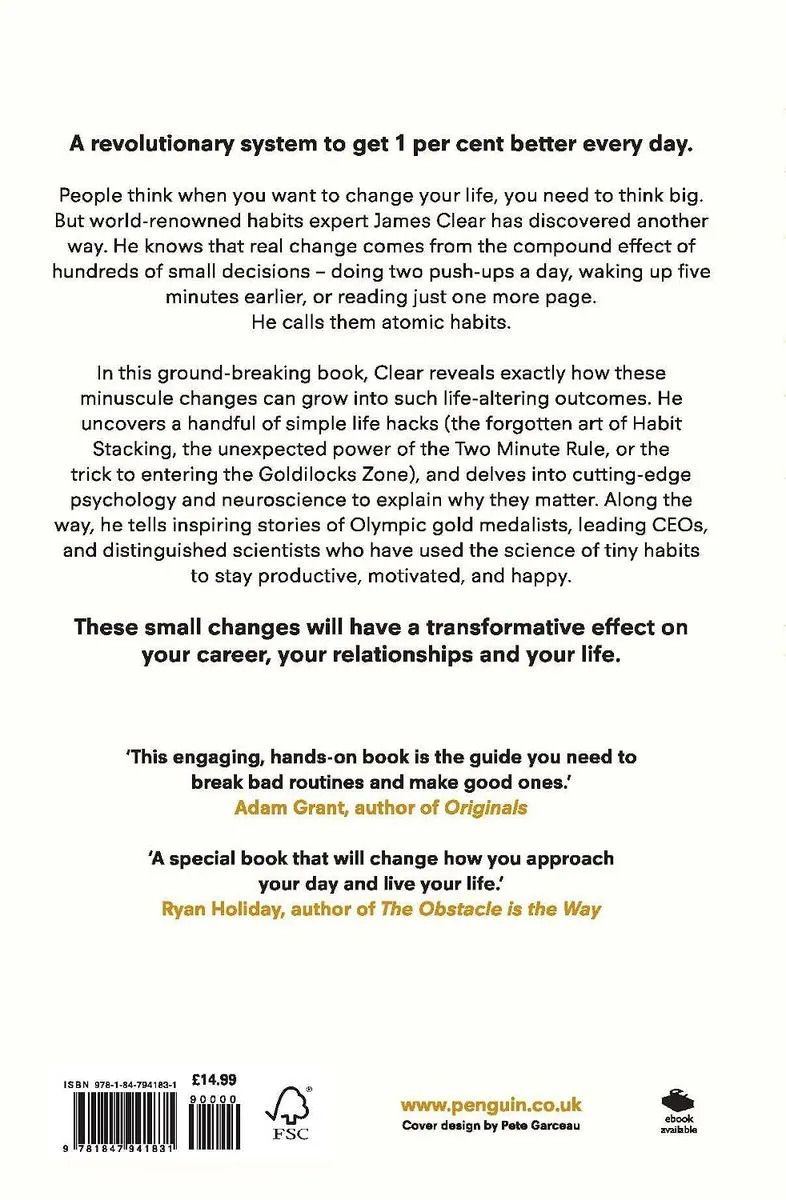
The back cover: a system to get 1 per cent better every day, with tools like habit stacking and the two-minute rule.

Adam Grant calls it “the guide you need to break bad routines and make good ones.”
The honest part
The book doesn’t do the work for you. The ideas are simple, and that’s the point, but reading it and changing nothing gets you nothing. Some ideas repeat across chapters, so if you’re short on time, read the first half closely and use the rest as a reference. Start with one habit, not ten.