
On 13 November 2026, Delhi overtook Lahore as the world’s most polluted city on IQAir’s live ranking. CPCB’s AQI that day hit 403, in the “severe” band. It happens every winter, so here is why, and what you can do about it.
Why it happens every November
- Stubble burning. After the paddy harvest, farmers in Punjab and Haryana burn the leftover straw because it’s the fastest and cheapest way to clear the field. Punjab logged 5,835 farm fires this season by 15 November, already more than all of 2025.
- The winter lid. Cold, heavy air settles near the ground, and a layer of warmer air sits above it. That layer works like a lid on a pan, so the smoke can’t rise and spread out.
- Still air, plus traffic and dust. Winds of just 10–15 km/h can’t clear the smoke, and every day traffic and construction dust add more.
- Diwali firecrackers. They cause a sharp spike for a night or two. The smog that lasts all season comes from the other three.
How to protect yourself
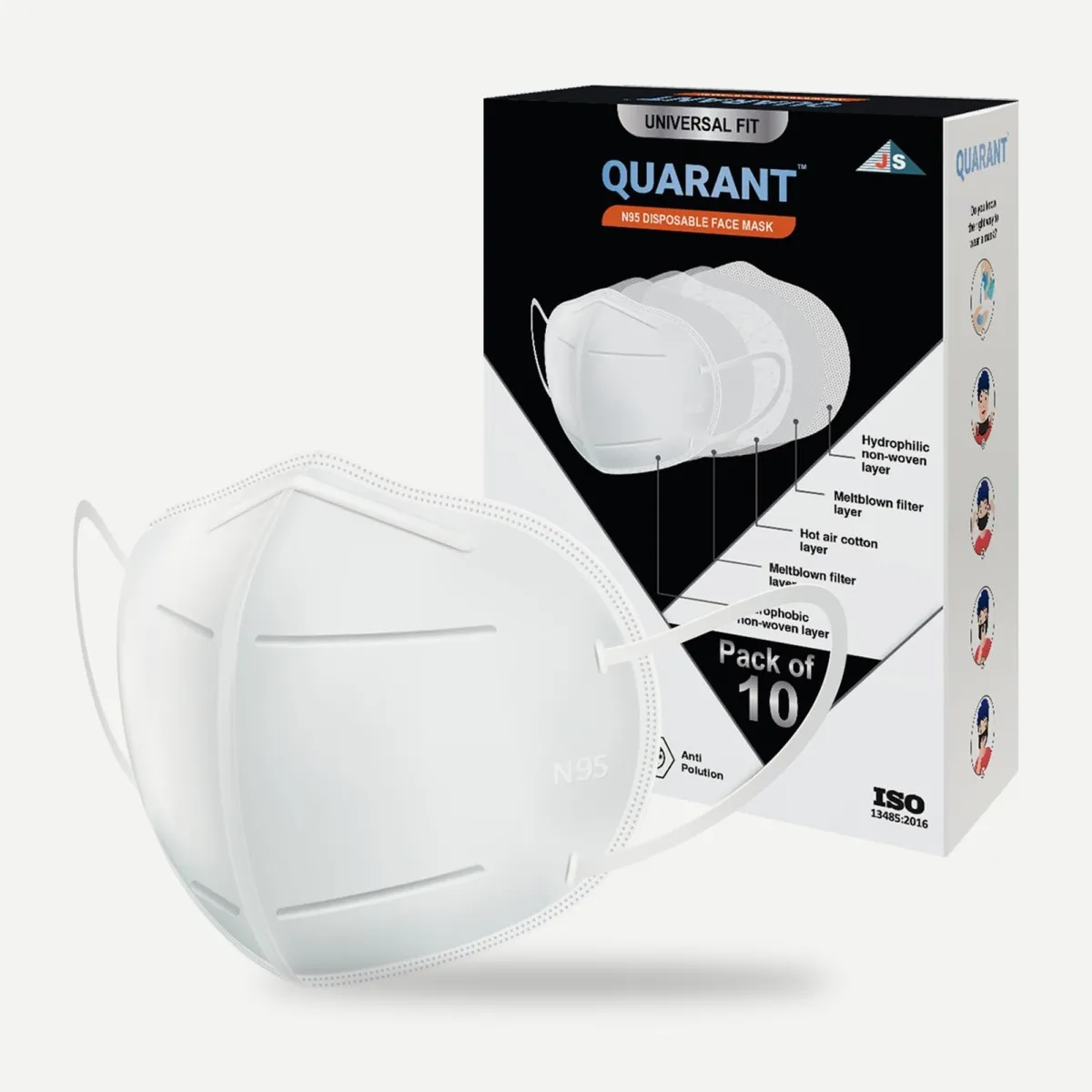
You can’t change the air in a day, but you can protect your own lungs. Outdoors, wear a well-fitting N95-type mask and press the nose clip down so there’s no gap at the sides. Indoors, keep the windows shut on bad days and use an air purifier if you can.
Our picks
- QUARANT N95 Anti-Pollution Mask: a 5-layer mask with an adjustable nose clip, each one individually packed.
- Best air purifiers for winter smog: five value purifiers compared on the room they really clean.