
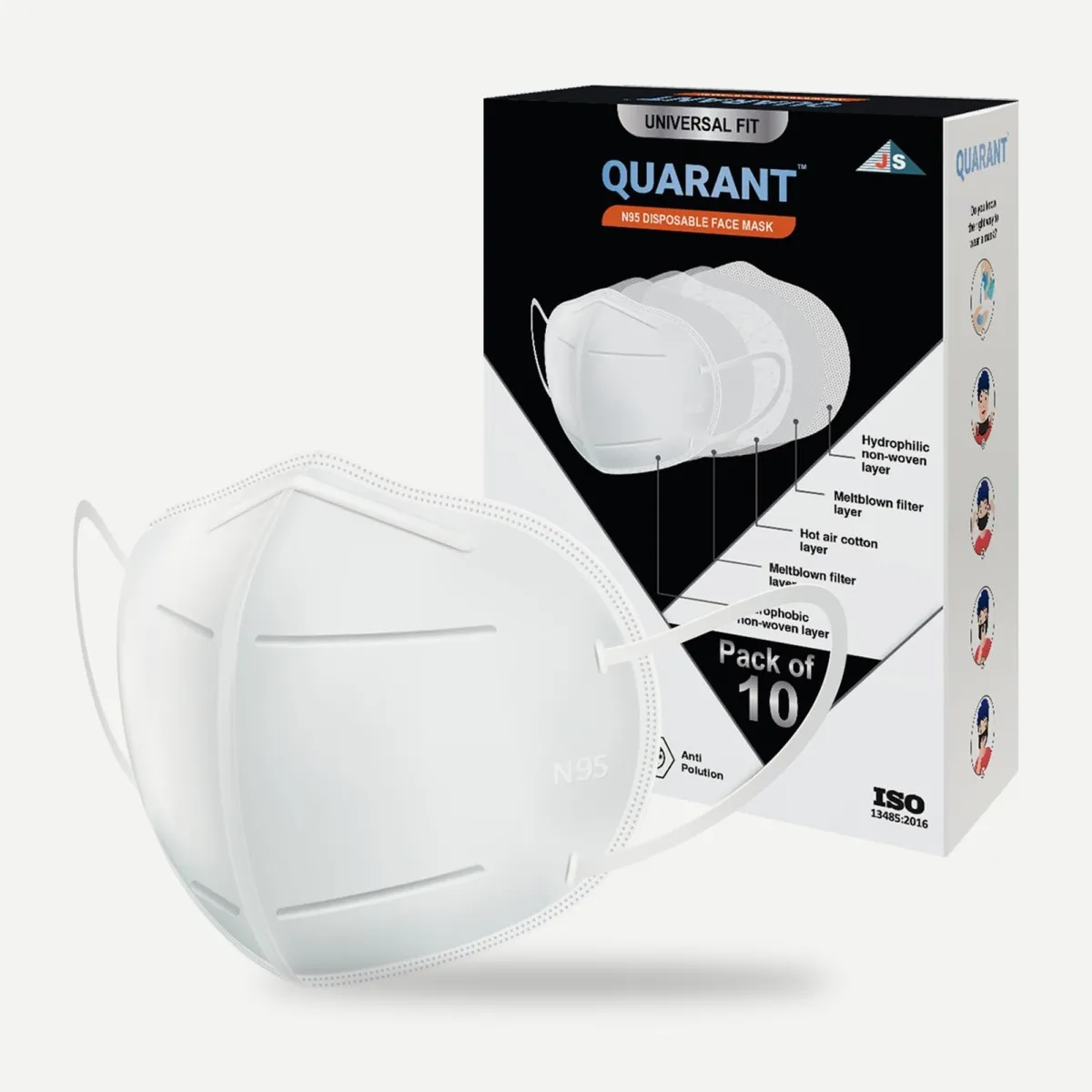
In November 2026, Delhi overtook Lahore as the world’s most polluted city. Breathing that air for a day is roughly like smoking 11 cigarettes, by Berkeley Earth’s estimate. We can’t change the air in a day, but we can protect our own lungs, and the simplest way is a mask that actually filters the smog. Our Short explains why it happens; this page covers the mask we show at the end.
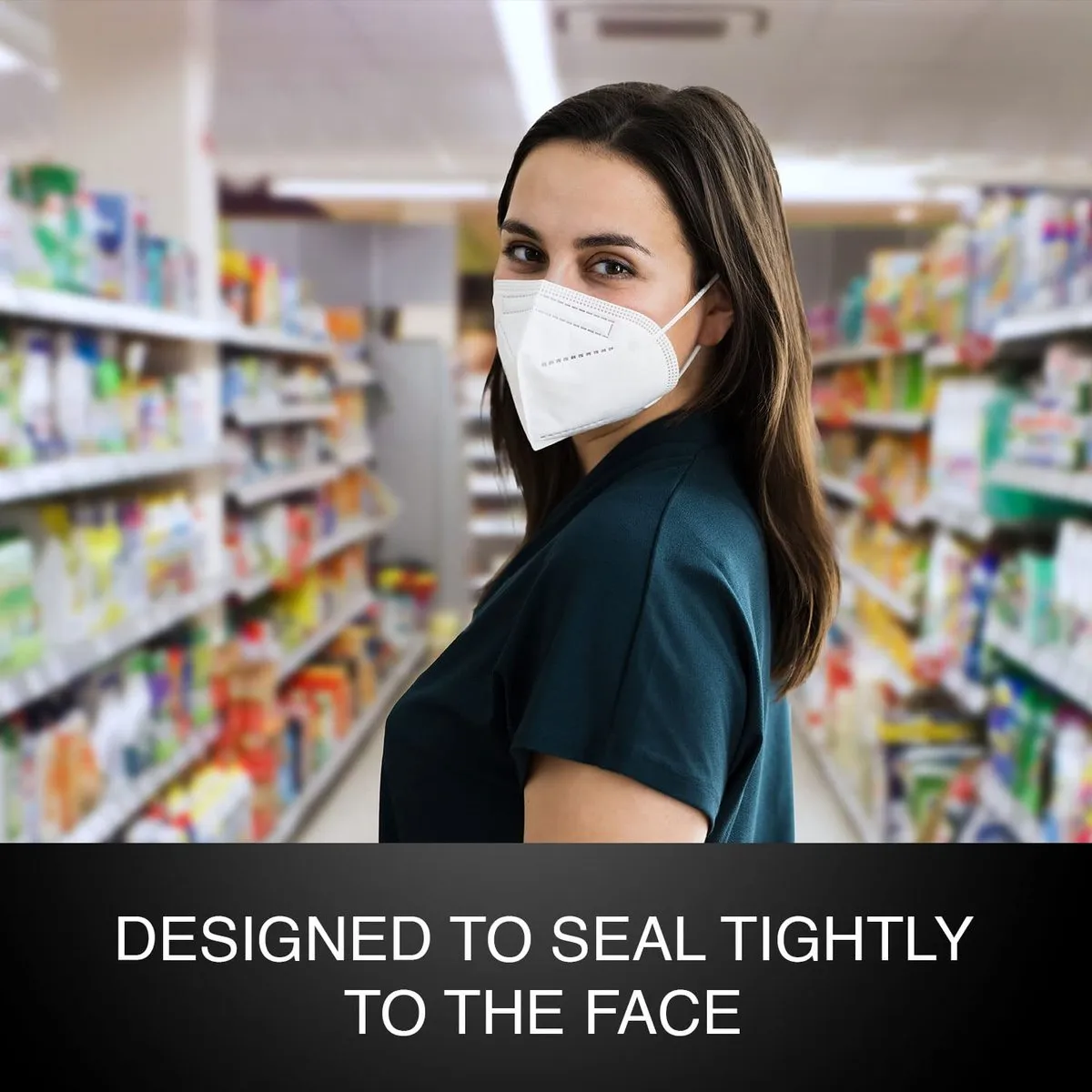
What it is
A disposable N95-type anti-pollution mask from QUARANT. Key details from the listing:
- 5 layers: two meltblown filter layers, a hot-air cotton layer, and non-woven layers inside and out
- Adjustable metal nose clip to close the gap over your nose
- Elastic ear loops in one universal size
- Individually sealed masks, in packs of 10 or 20
Why it made the list
- Cloth and surgical masks don’t stop smog. Fine PM2.5 particles go straight through them. You need an N95-type mask.
- The nose clip matters. Most leaks happen at the top of the mask, and a clip you can press down fixes that.
- It’s easy to keep around. Individually packed masks fit in a bag, a car or an office drawer for bad AQI days.
A closer look
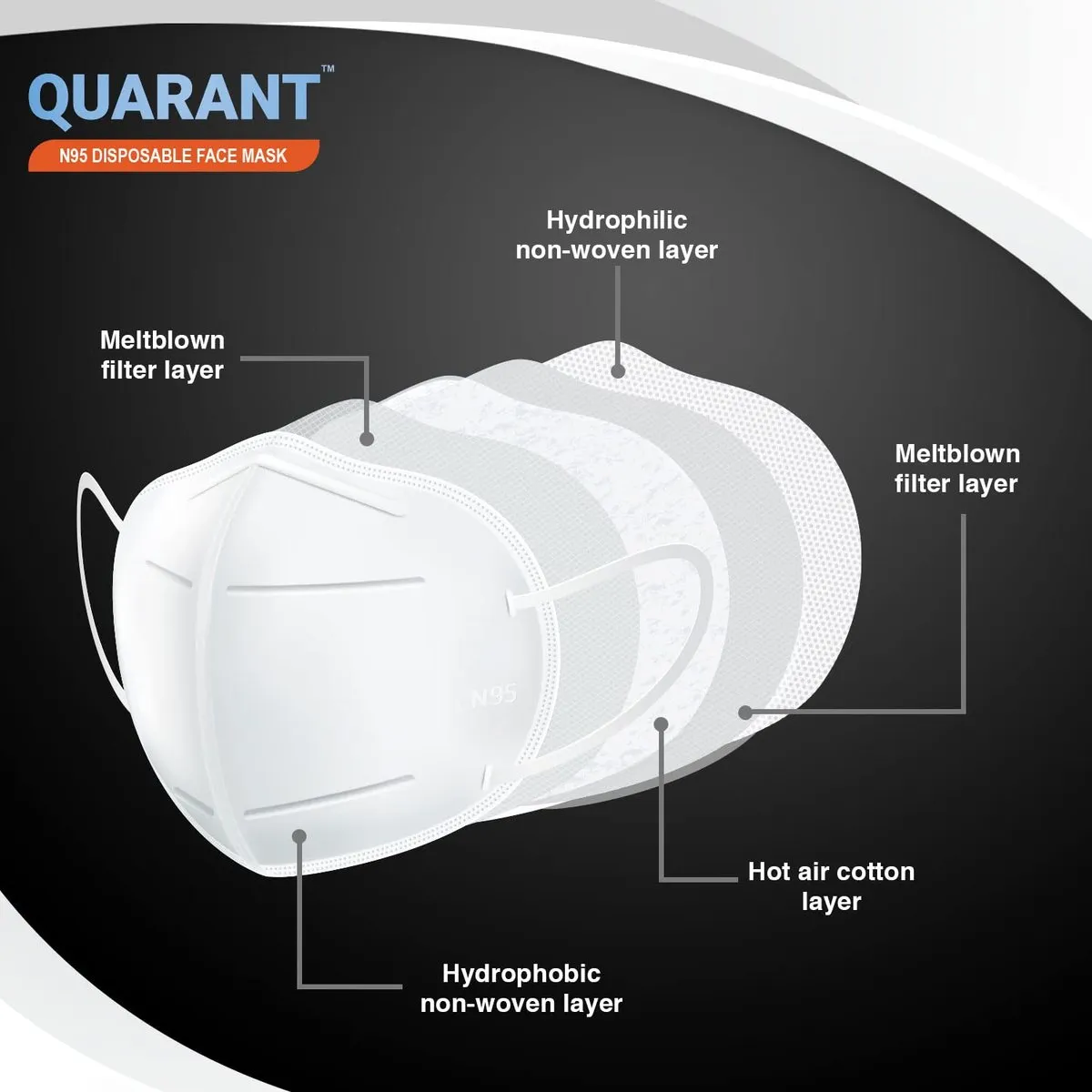
The five layers, with two meltblown filters doing most of the work.
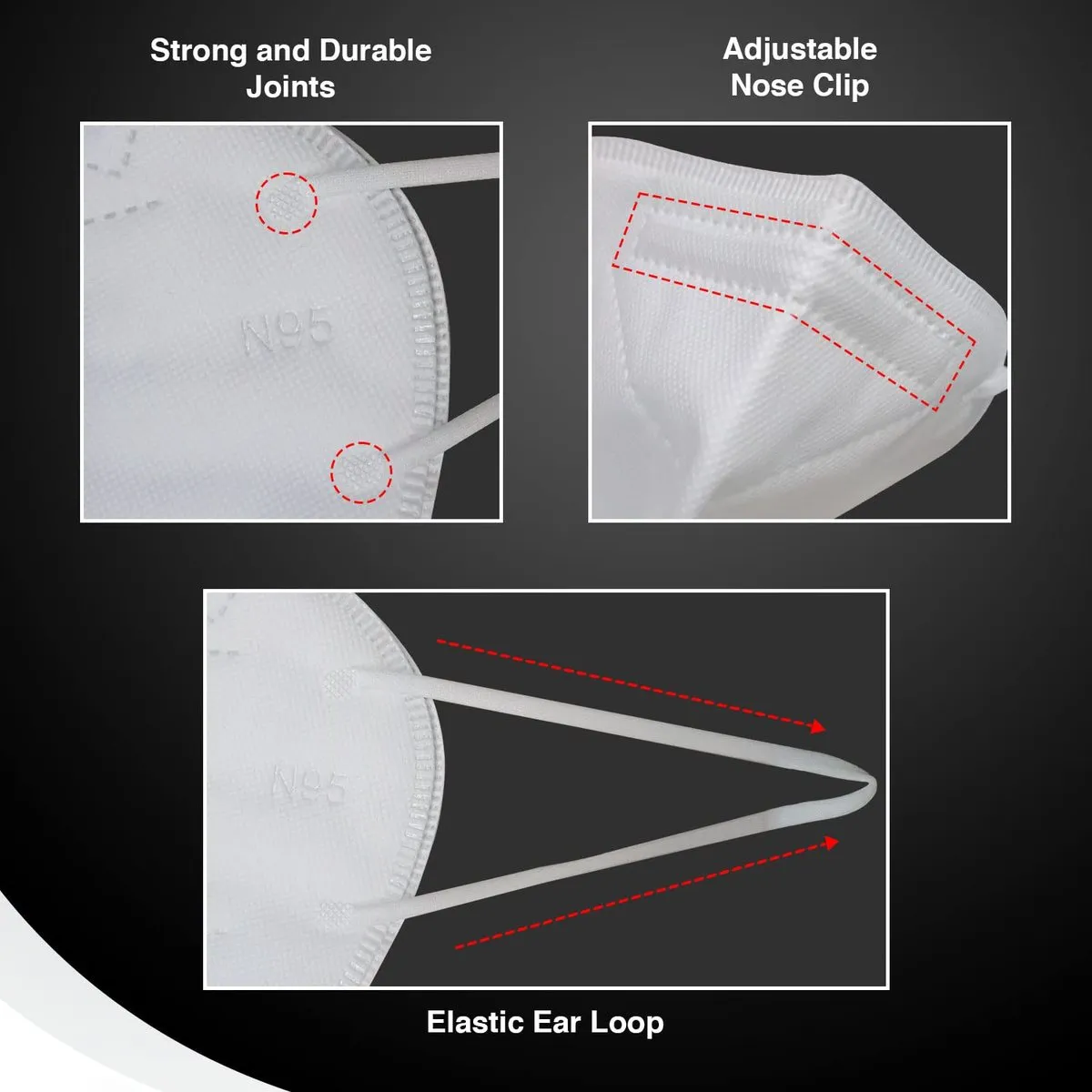
The adjustable nose clip and ear loops: press the clip down so there’s no gap.
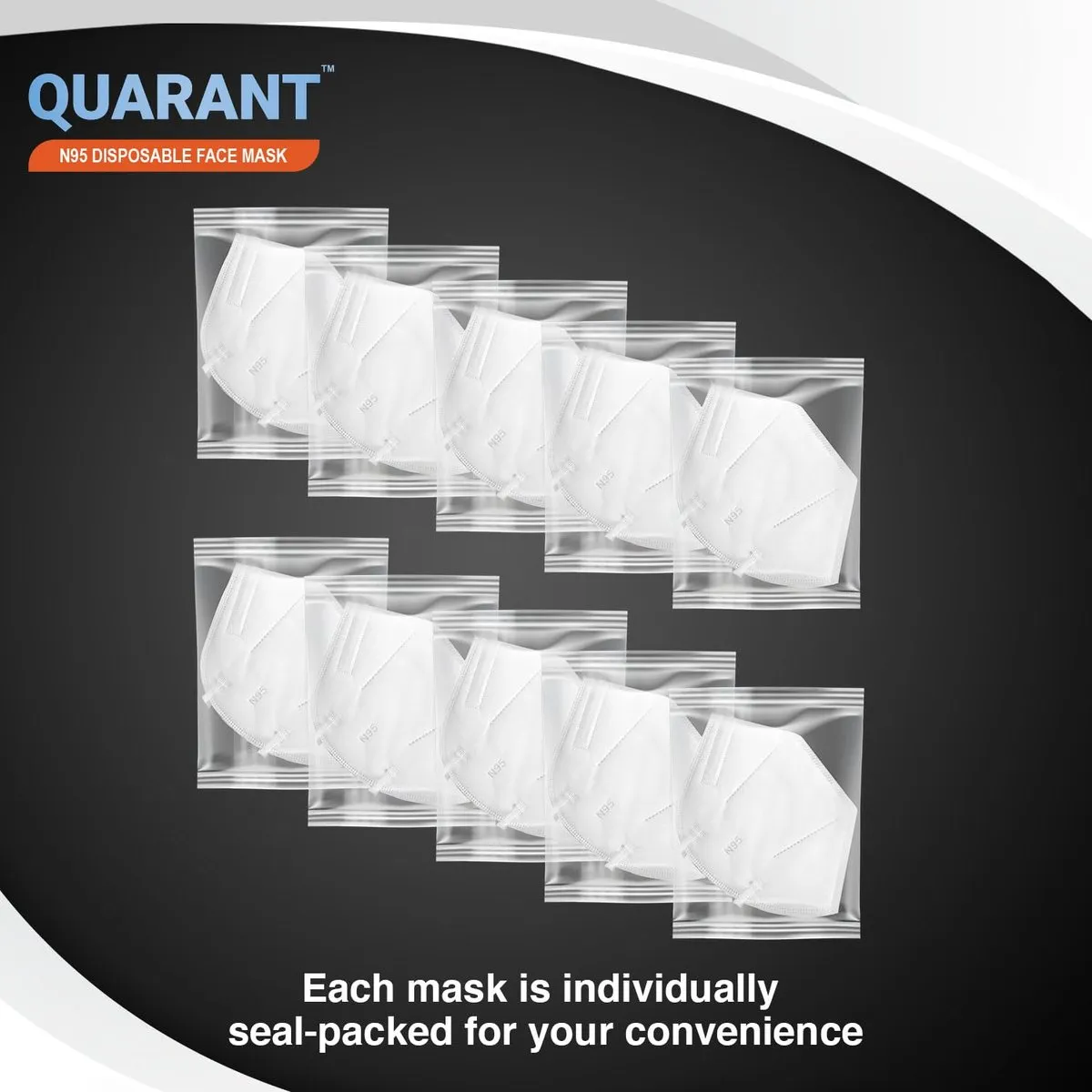
Each mask comes sealed in its own pack.
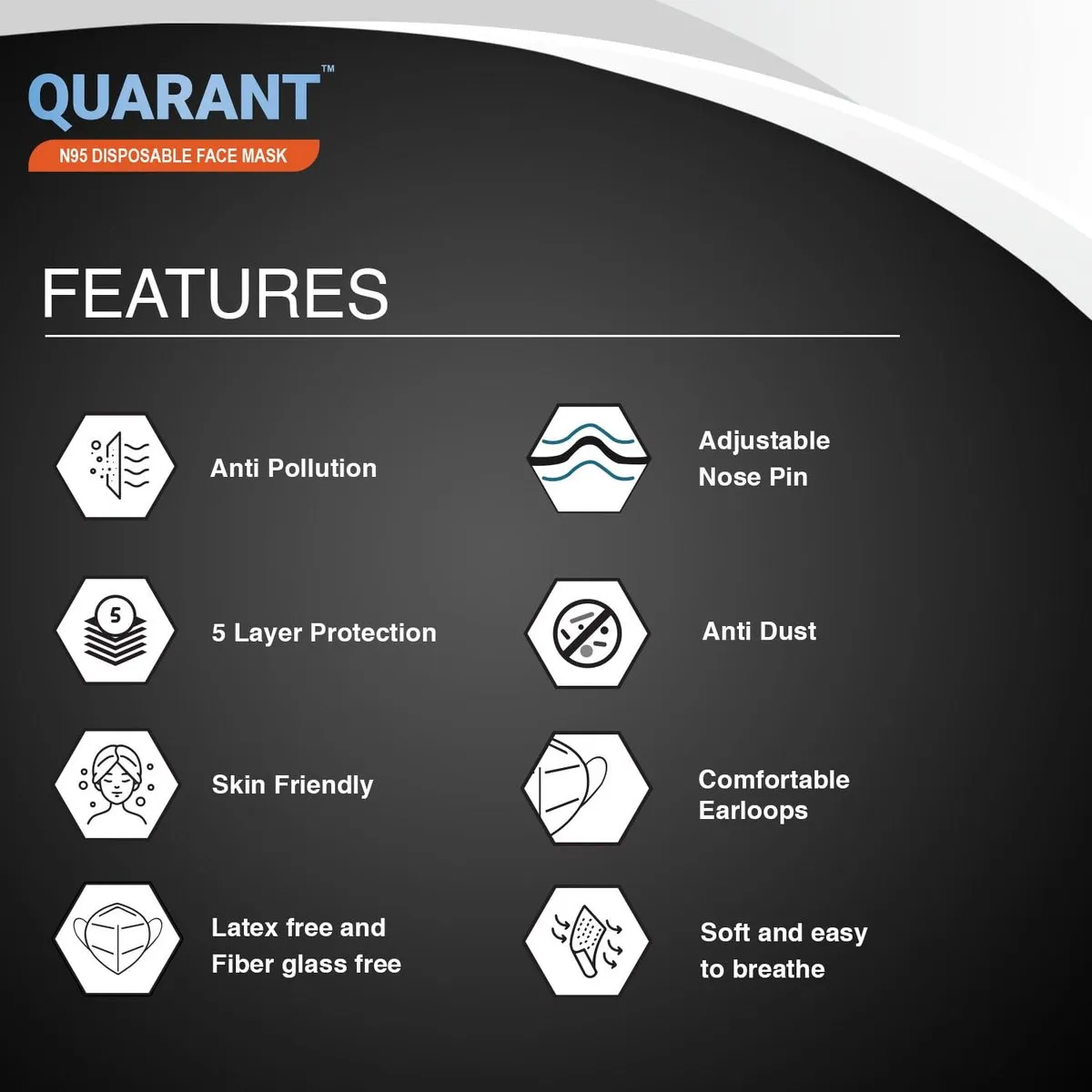
The listing’s feature summary.
The honest part
Fit is everything. A mask only filters the air that goes through it, so if it’s loose at the nose or sides, smog gets in there. Pinch the nose clip and check for leaks every time you put it on. We couldn’t see a BIS or NIOSH certification mark on the box: it shows ISO 13485, which is a factory quality-management standard, not a filtration test. It’s disposable and non-returnable. For heavy smog days, it’s a cheap and simple pack to keep at home; if you want a certified respirator for medical use, look for a BIS or NIOSH mark.