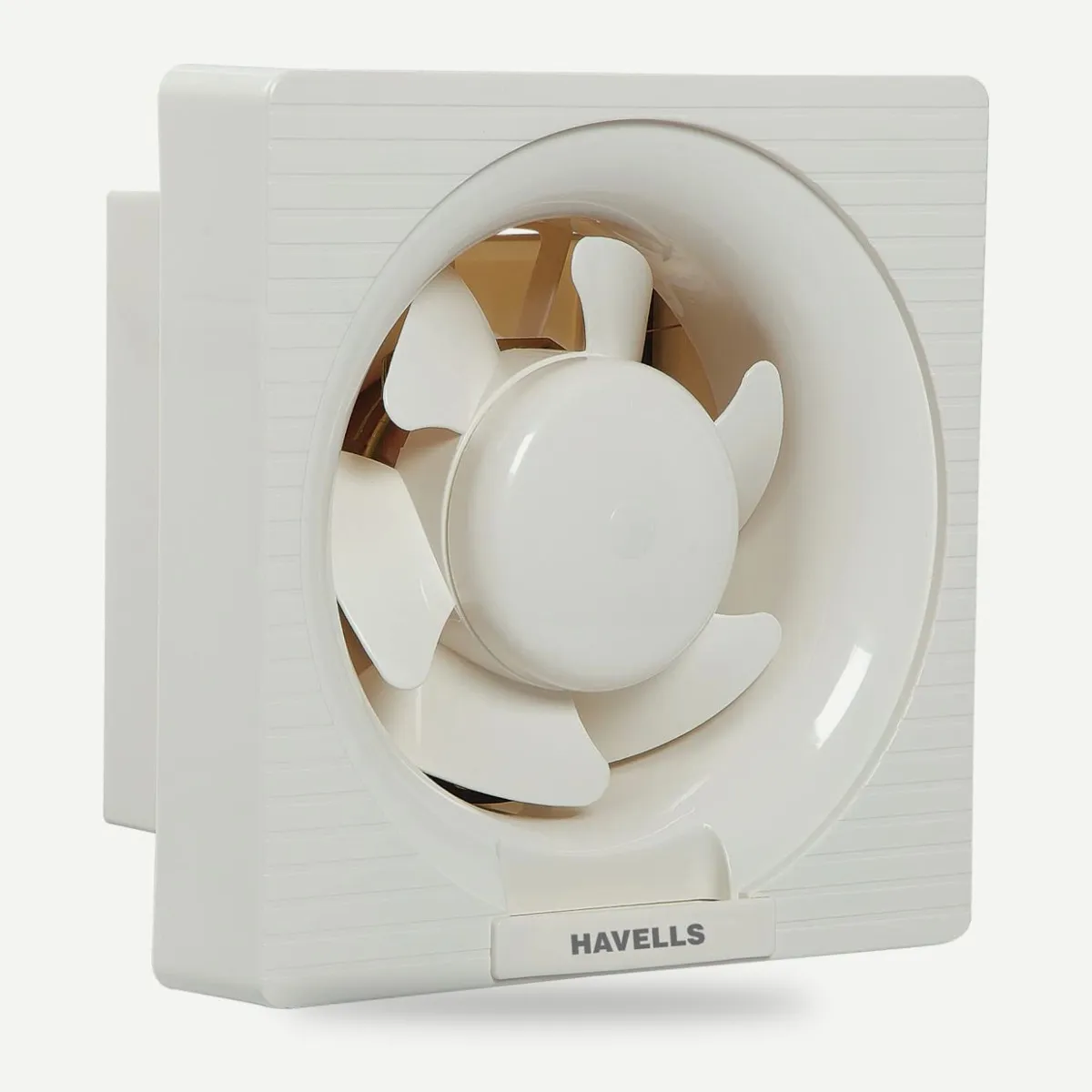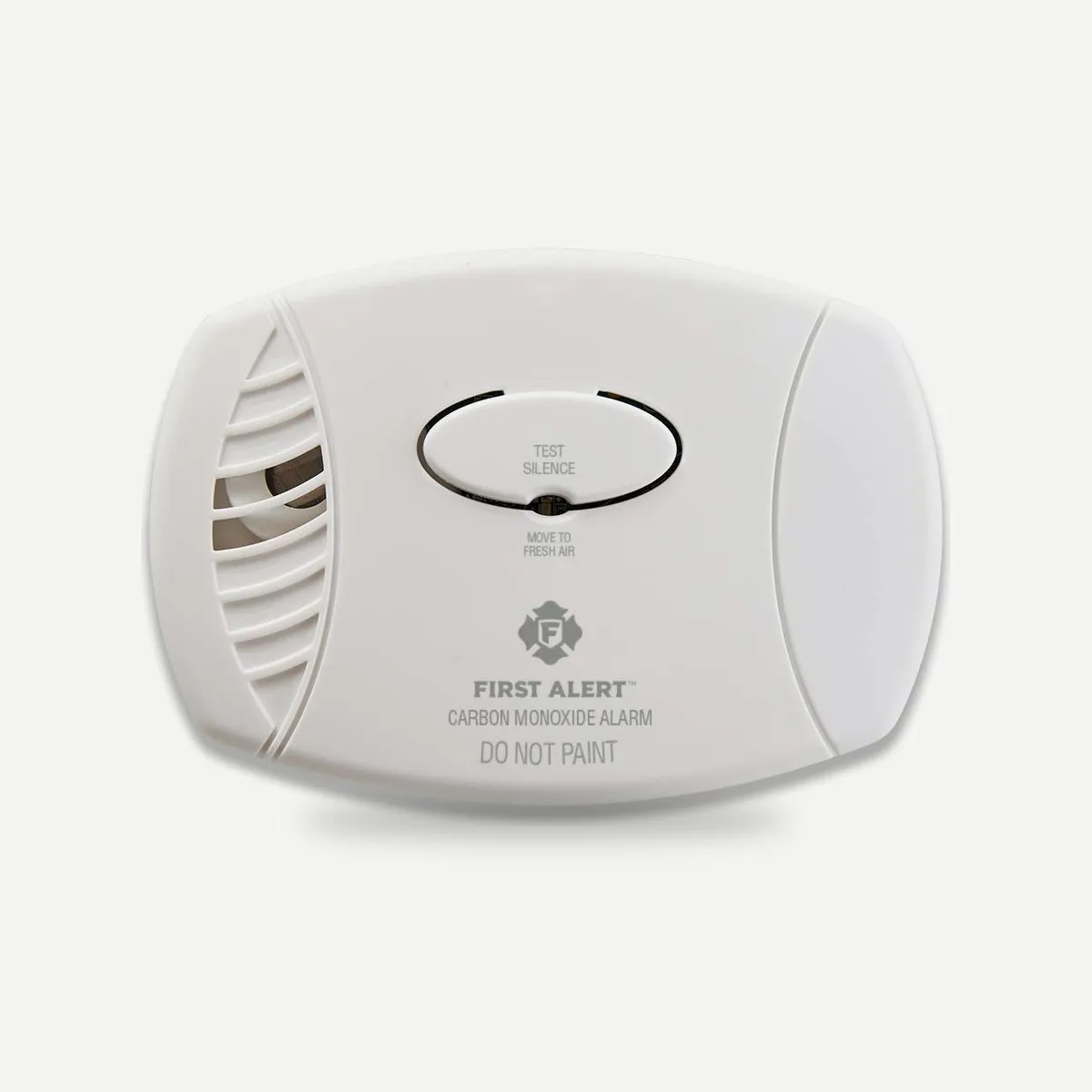
Our Short is about gas geysers in closed bathrooms: in a sealed room the geyser uses up the oxygen and starts making carbon monoxide, which has no colour and no smell. Cases like Pilibhit (December 2025) and Budaun (January 2026) happened with nobody noticing in time. An exhaust fan is the fix; a CO alarm is the backup that wakes the house if something still goes wrong.
What it is
A battery carbon monoxide alarm from First Alert, a brand that only makes smoke, CO and fire-safety products. From the listing and the manual:
- Electrochemical CO sensor, the accurate type used in certified alarms
- Battery-operated (9V battery included), so it works in a power cut and needs no wiring
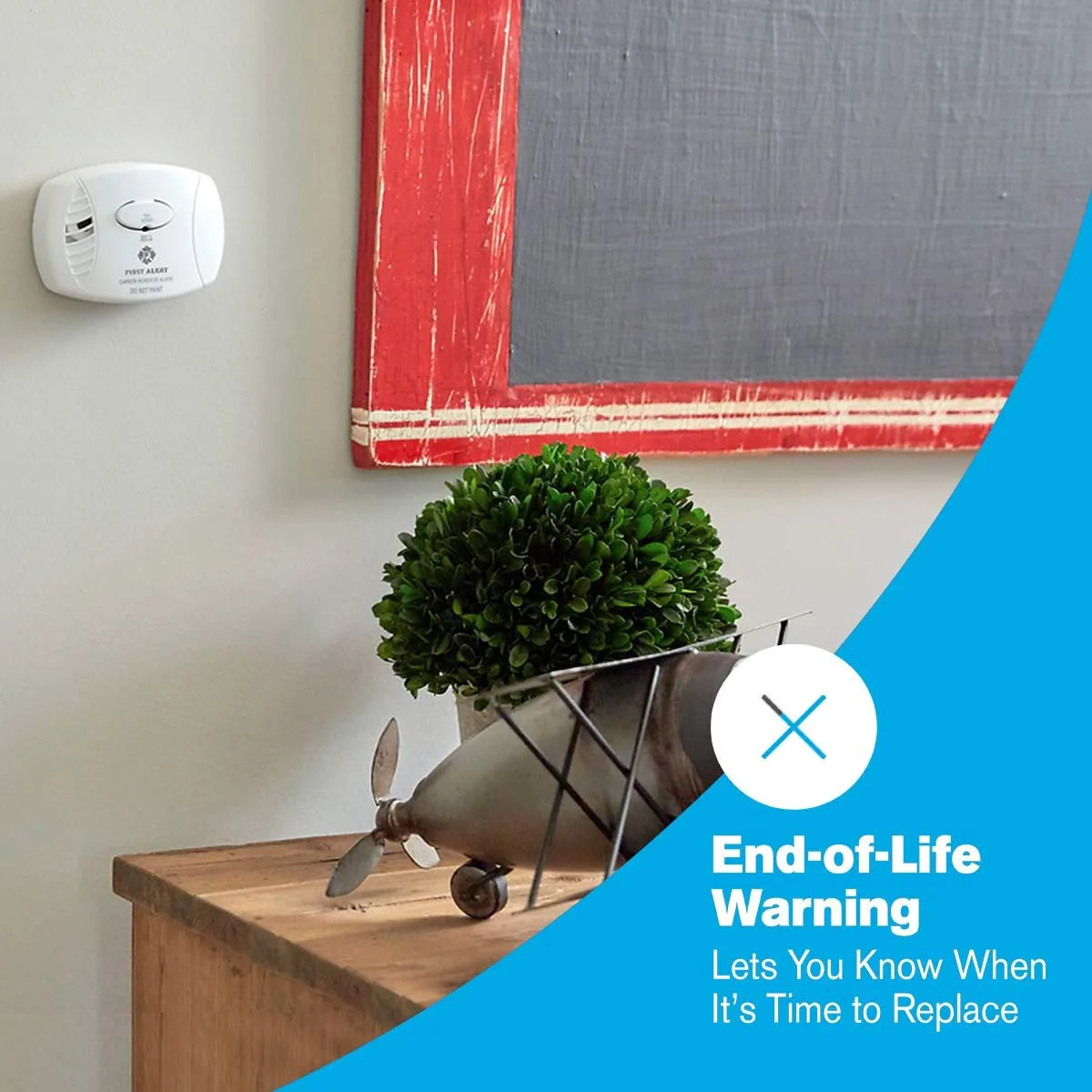
- Test/silence button, low-battery warning and an end-of-life warning when it’s time to replace it
- Meets UL 2034, the US standard for CO alarms
Why it made the list
- It warns before you feel it. Carbon monoxide causes a headache, dizziness and sleepiness, and people who are asleep can be overcome before they notice anything. The alarm sounds first.
- It covers what a fan can’t. It responds to CO from any source: a gas geyser, a gas heater, an angithi or a generator.
- It’s proven. It has more than 17,000 ratings at 4.6 stars, and it’s from a safety-only brand. Most cheaper alarms on Amazon India have a handful of ratings and name no standard.
A closer look

First Alert’s own placement guide: an alarm outside each sleeping area and in the hallway.
Wall-mounted at about head height.
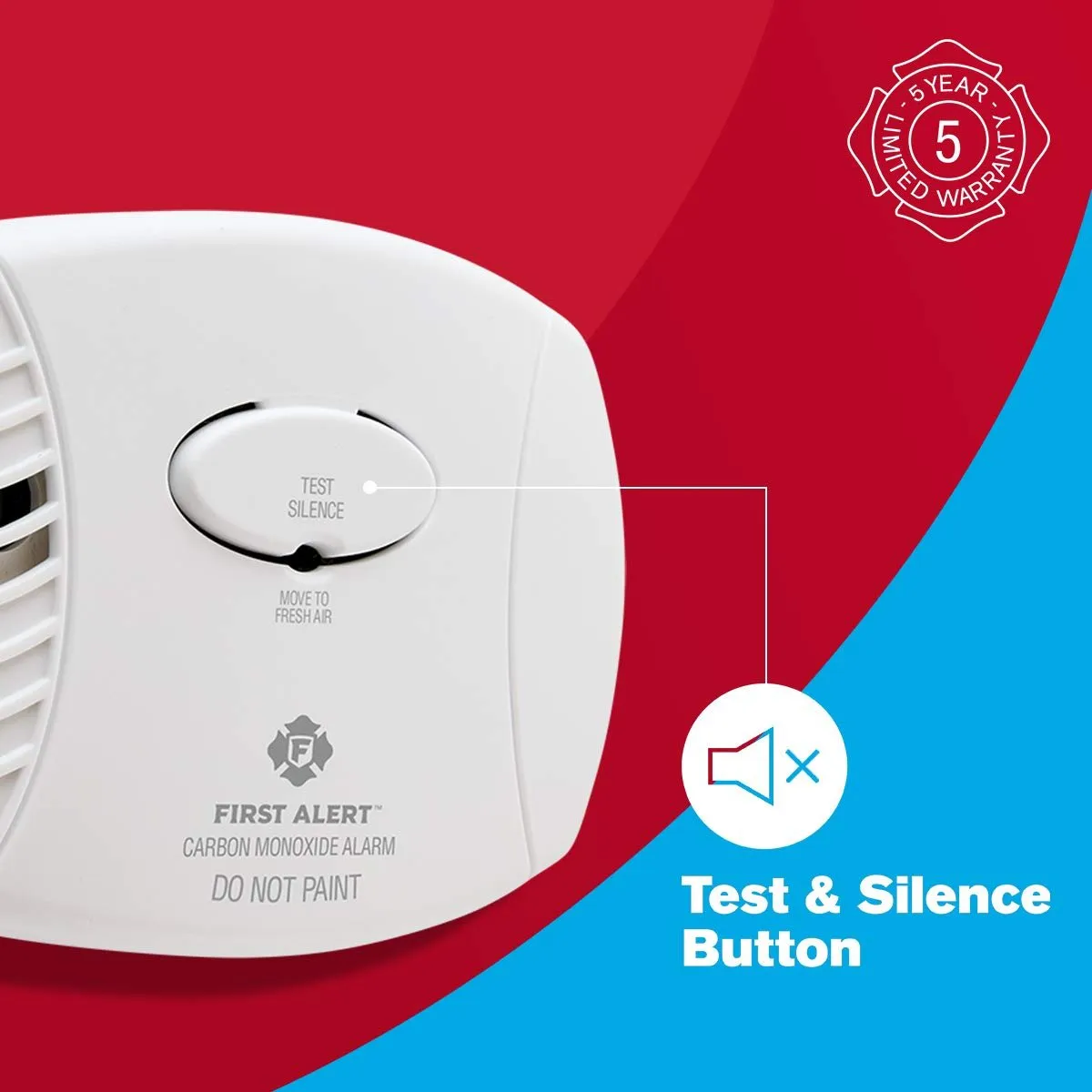
One button tests the alarm and silences it.
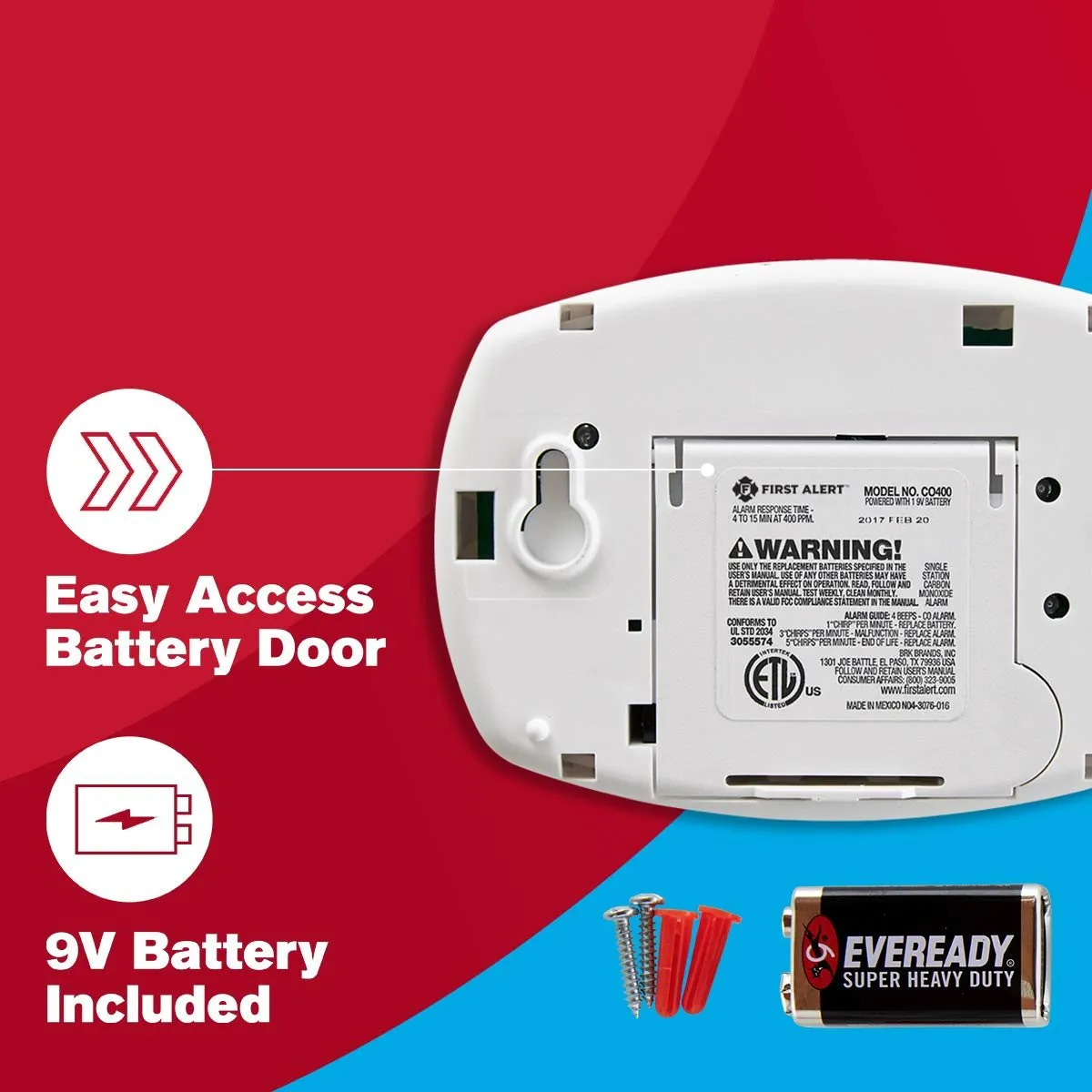
Easy-access battery door; a 9V battery is included.
The honest part
An alarm warns; it doesn’t prevent. In a bathroom with a gas geyser, an exhaust fan and an open ventilator matter more. Don’t fit it inside the bathroom: steam causes false alarms, and the manual asks for about 3 m from a shower and about 6 m from a water heater, so the hallway or bedroom is right. It’s an import on Amazon India, so delivery takes longer and almost all of its ratings come from buyers abroad. If you choose a cheaper alarm instead, check for UL 2034 or EN 50291 on the box and an electrochemical sensor.